Using innovation to improve timber transportation efficiency and lower costs
21 January 2026, Yokohama
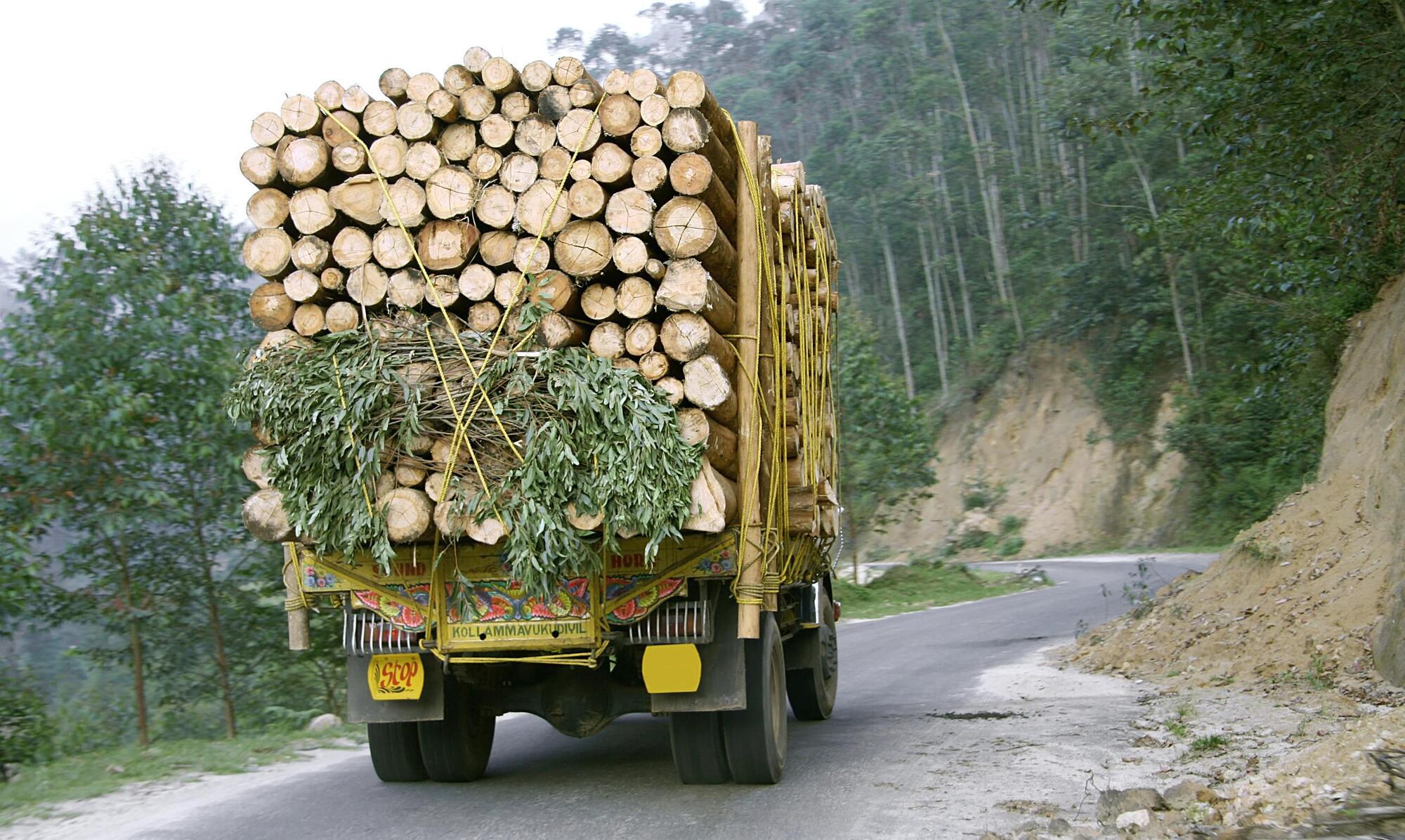
A timber transportation truck carries logs through hills in South India. © Paul Prescott/Pond5
Digitalization, technology adoption, and sustainable transportation are key to improving efficiency in tropical timber supply chains, a Kasetsart University academic said during a recent ITTO webinar.
At the event, Kasetsart Faculty of Forestry associate professor Nopparat Kaakkurivaara presented an in-depth overview of tropical timber transportation, and explored challenges and solutions for the industry using case studies and best practices from other countries.
The webinar was the sixth in an ongoing teak webinar series designed to enhance knowledge sharing and international collaboration among experts. The webinar series is held as part of the second phase of a flagship ITTO project to promote high-quality smallholder and community-based teak and other valuable timber species production in the Asia-Pacific and West Africa.
Transportation: A key supply chain process
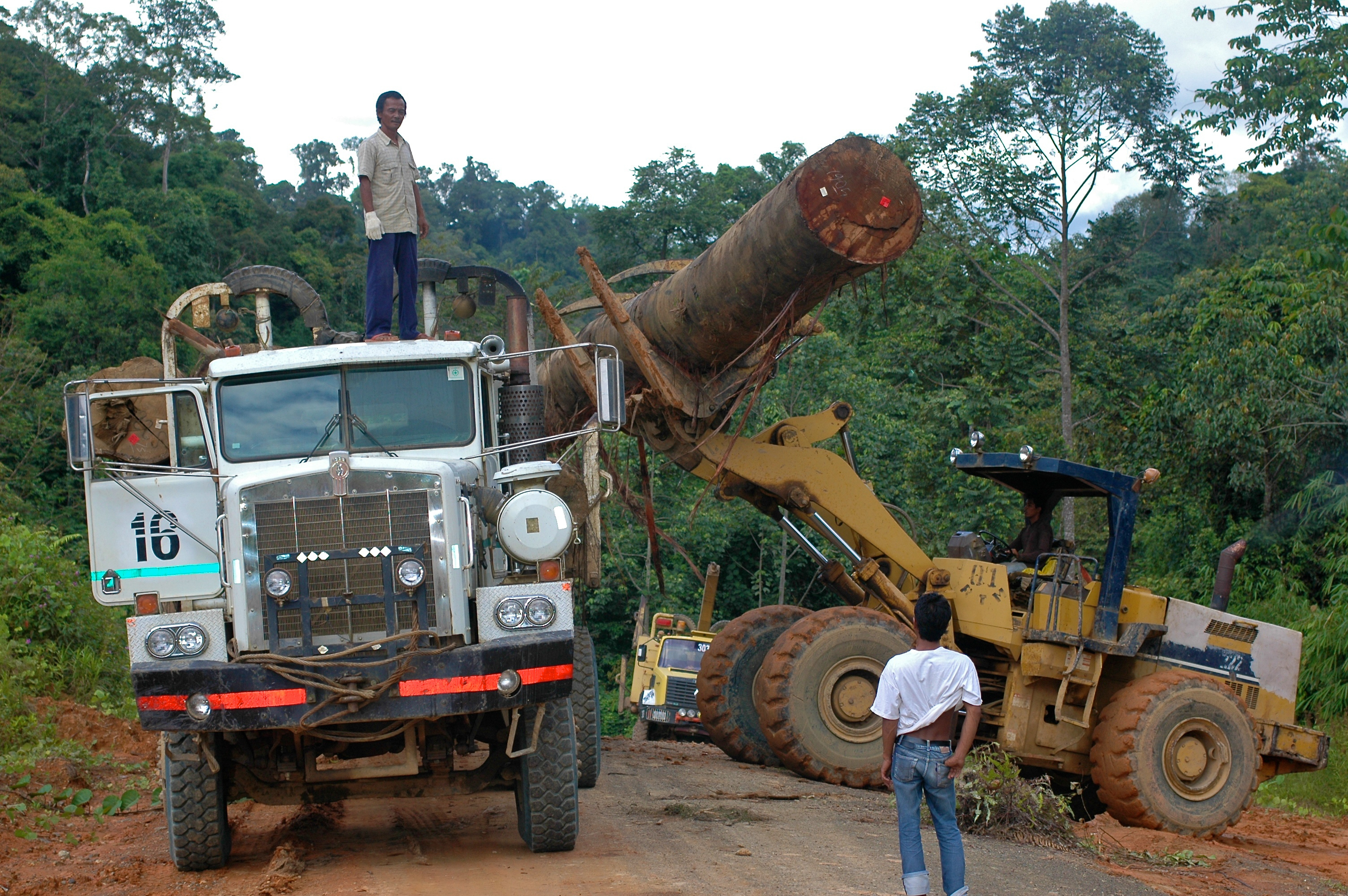
Timber transportation is an important intermediate supply chain process which can take up 30-50% of the overall product cost. Inefficiencies and challenges arising from operational, infrastructural, regulatory, economic, and environmental factors lead to higher market prices, affecting overall supply and demand dynamics.
Professor Kaakkurivaara used the example of Thailand to illustrate the challenges and opportunities facing the industry. In Thailand, up to 90% of timber transportation is carried out by road, with loading and unloading often done manually and unproductively. These inefficient methods lead to slower loading times, inconsistent load sizes, transport via unpaved roads, and higher vehicle emissions. While rail and water transport are options used in other markets, they are seldom employed by the Thai timber sector, with transportation by water only done for products destined for export to foreign markets.
Innovation is essential
The expert emphasized that even small gains in transportation efficiency can generate significant cost savings for plantations and producers.
The solutions she presented fell under one common theme: applying innovation and best practices to leverage efficiencies and ultimately reduce prices.
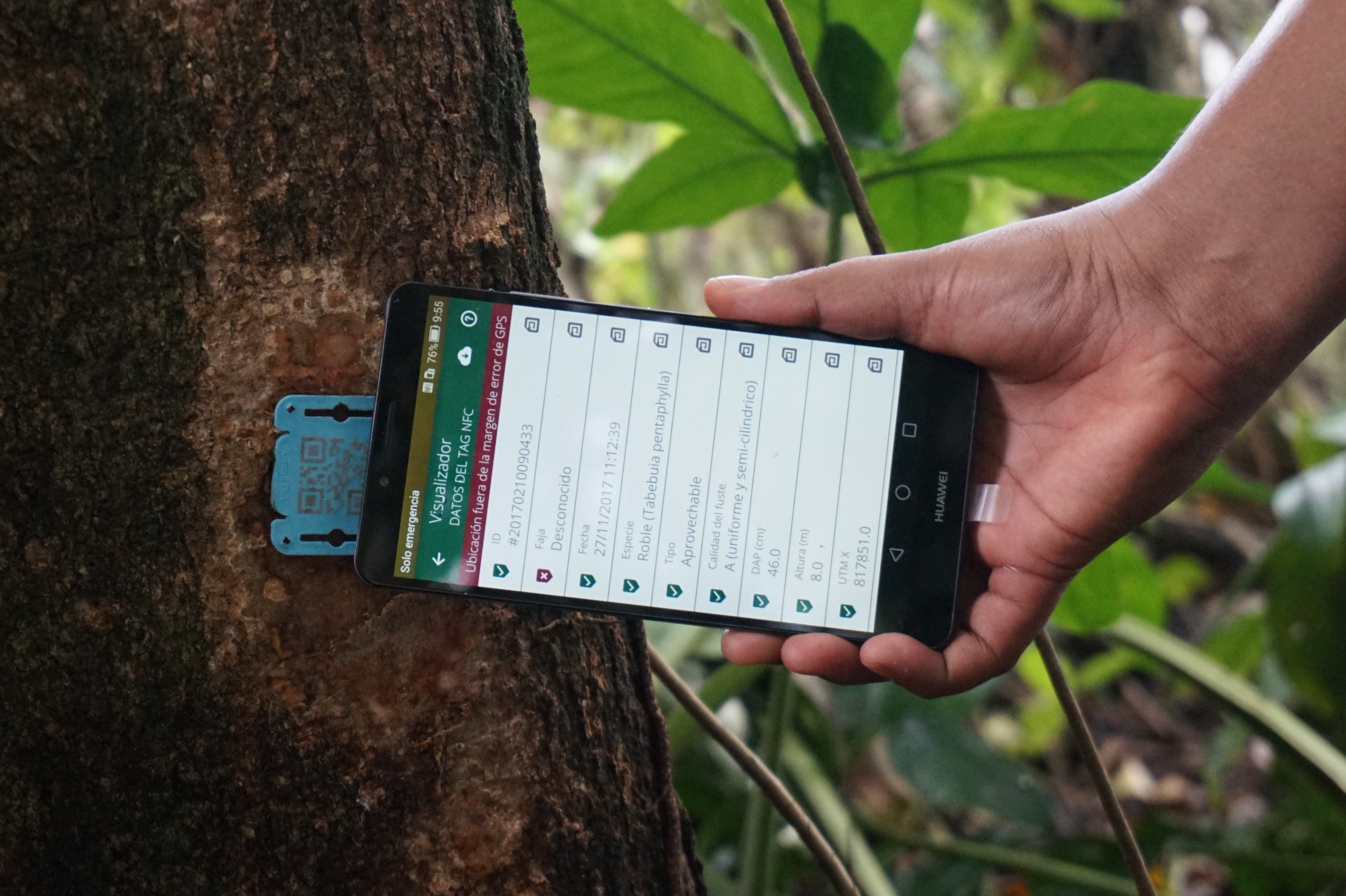
Digital technologies for weighing, planning, and monitoring were prominent in Professor Kaakkurivaara’s recommendations. She shared examples from Sweden and Finland to show how forestry companies have employed “smart” technology to increase payloads, simplify loading, and minimize the environmental footprint of timber transportation. Traceability systems, like those ITTO has implemented in Panama using mobile devices and scanning technology, were cited as answers to volume measurement challenges. Calibrated Route Finder systems were shown to identify the most efficient transportation routes, reducing distances, driving time, fuel consumption, and maintenance needs. Professor Kaakkurivaara shared that other software solutions provided by organisations such as Raute and Timber Transport Forum have been used around the world to increase overall sustainability of timber transport.
While solutions are context dependent, Professor Kaakkurivaara’s presentation underscored that timber transportation is not only a technical issue, but a key aspect of the supply chain which impacts costs, competitiveness, and sustainability.
She concluded with a message of hope: “The future of transport is smart, sustainable, and built to create less waste, cost, and harm.”
Key takeaways from the 5th World Teak Conference
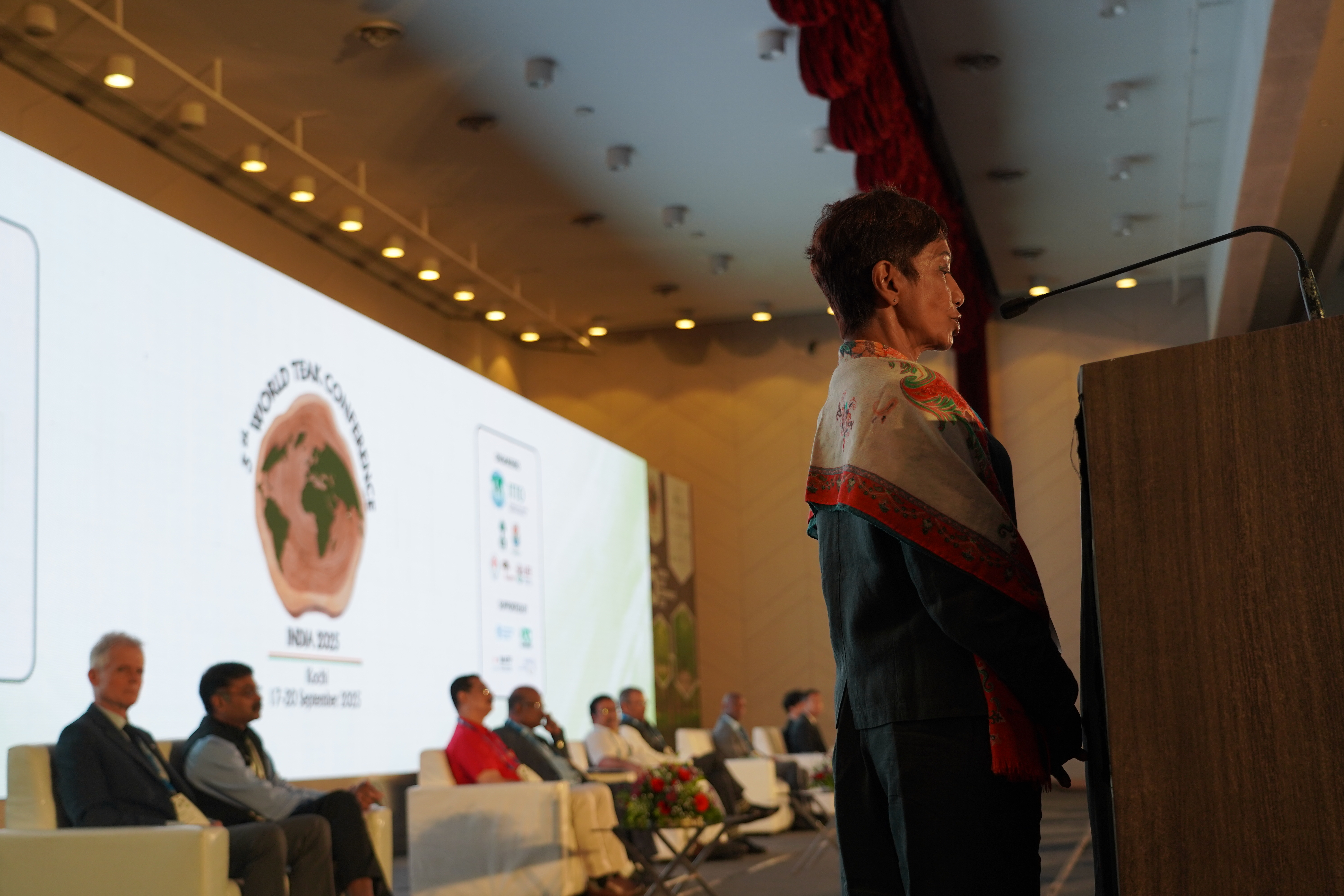
Also during the webinar, Kasetsart professor Yongyut Trisurat debriefed attendees about key insights gained at the 5th World Teak Conference (WTC) held in September 2025 in Kerala, India.
Professor Yongyut noted that the WTC highlighted the global significance of teak, a species grown in approximately 80 countries. He provided an overview of the main topics discussed during the conference’s sessions.
ITTO’s teak project, supported by the Government of Germany, and implemented in Cambodia, India, Indonesia, Thailand, Togo, and Viet Nam, had a prominent role during a session on the first day of the conference.
Professor Yongyut recalled outcomes from this session, including presentations by delegates from participating countries on their achievements and the further emphasis on the importance of teak for community empowerment and sustainable development.
He provided webinar attendees with an overview of other key topics discussed at the WTC, including the integration of artificial intelligence (AI), innovative management models for smallholders, challenges such as limited silviculture knowledge, and teak’s contributions to environmental protection, biodiversity conservation, and forest landscape restoration.
Innovation was again central to proceedings at the WTC, with in-depth discussions on producing high-quality planting material through tissue culture, diversifying monoculture plantations, using AI in forest surveys and inventories, and overall capacity building for local communities.
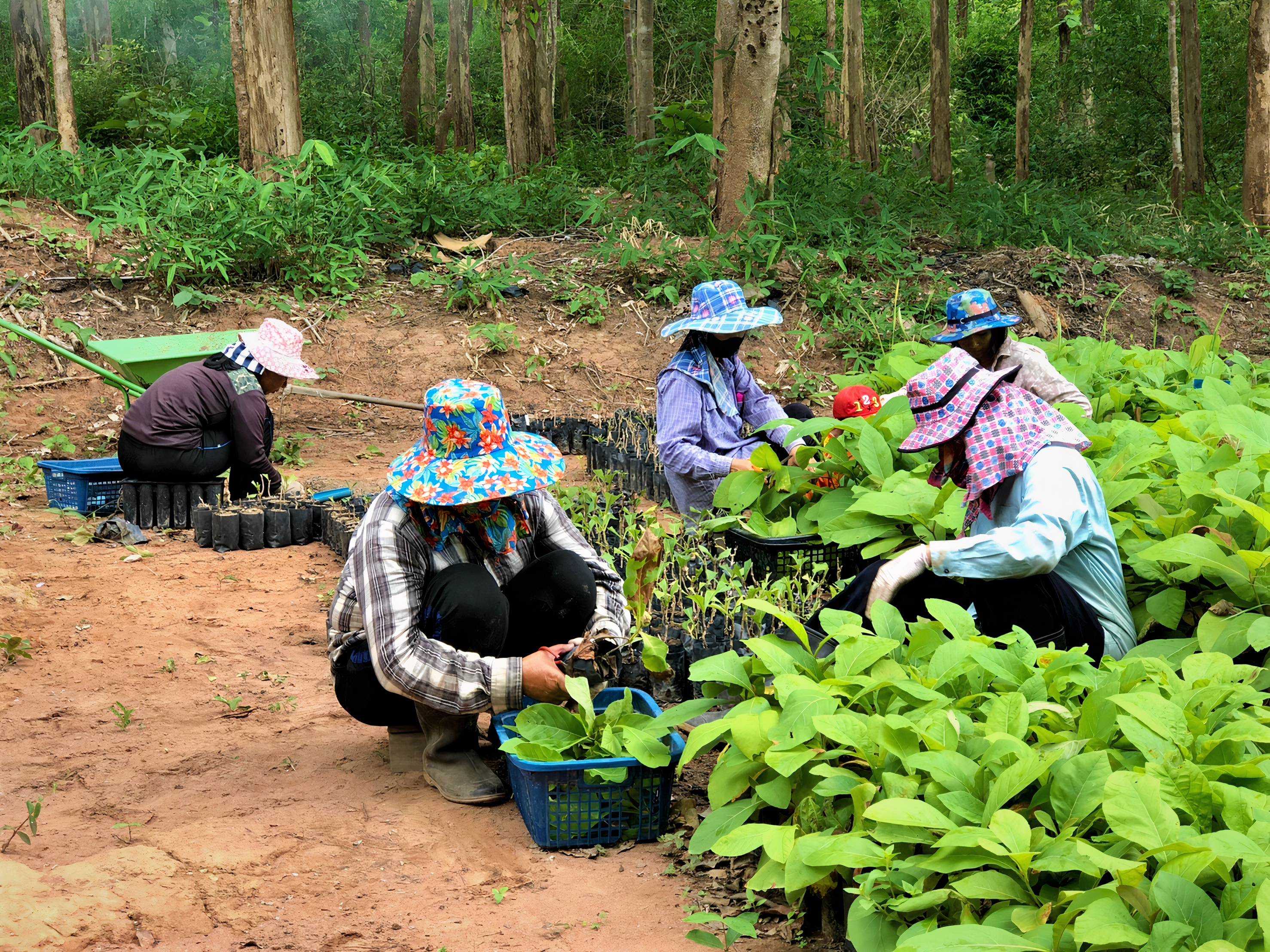
Supporting local communities through high-quality teak production
In this webinar, speakers highlighted the important contributions teak production makes to community well-being, employment opportunities, biodiversity conservation, and climate change mitigation and adaptation.
ITTO continues to expand opportunities for smallholders and local communities to access innovation and technologies that improve productivity, reduce costs, and support the production of high-quality planted teak.